Some of the links in this article are "affiliate links", a link with a special tracking code. This means if you click on an affiliate link and purchase the item, we will receive an affiliate commission.
The price of the item is the same whether it is an affiliate link or not. Regardless, we only recommend products or services we believe will add value to our readers.
By using the affiliate links, you are helping support our Website, and we genuinely appreciate your support.
Understanding the Need for Balanced Healthy Recipes
Many individuals struggle with maintaining a balanced diet, often finding it challenging to incorporate all necessary nutrients into their meals. This issue arises primarily due to a lack of understanding about what constitutes a balanced meal and how to prepare it effectively.
Why Balanced Meals Are Important
Balanced meals are essential because they provide the body with the nutrients it needs to function optimally. Research shows that a diet rich in diverse nutrients supports overall health, boosts energy levels, and can prevent chronic diseases.
Identifying the Components of a Balanced Meal
To create a balanced meal, it’s crucial to include a variety of food groups. Studies indicate that a balanced meal typically contains:
- Proteins: Essential for muscle repair and growth. Sources include lean meats, beans, and tofu.
- Carbohydrates: Provide energy. Opt for whole grains like brown rice or quinoa.
- Fats: Necessary for brain health. Include healthy fats such as avocados and nuts.
- Vitamins and Minerals: Found in fruits and vegetables, they support various bodily functions.
Steps to Create Balanced Healthy Recipes
Creating balanced recipes can be straightforward with a few simple steps:
- Plan Your Meals: Research shows that planning meals in advance can help ensure nutritional balance. Consider using a weekly planner to organize meals.
- Incorporate Variety: Studies indicate that diverse diets are more beneficial. Aim to include different types of foods from each food group.
- Portion Control: Data suggests that managing portion sizes is crucial in maintaining a balanced diet. Use measuring cups or a food scale to ensure appropriate portions.
- Experiment with Flavors: Trying new herbs and spices can make meals more enjoyable without adding extra calories.
Sample Balanced Recipe: Quinoa and Vegetable Stir-Fry
This recipe combines proteins, carbohydrates, and a variety of vegetables to create a nutritious meal.
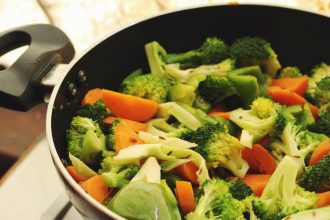
- Ingredients: 1 cup quinoa, 2 cups mixed vegetables (such as bell peppers, broccoli, and carrots), 1 tablespoon olive oil, 1 teaspoon soy sauce, salt, and pepper to taste.
- Instructions: Cook quinoa according to package instructions. Heat olive oil in a pan, add vegetables, and stir-fry until tender. Mix in cooked quinoa and soy sauce, then season with salt and pepper.
Conclusion: Embracing Balanced Eating
Research indicates that adopting a balanced diet can significantly improve health and well-being. By understanding the components of a balanced meal and following simple preparation steps, incorporating healthy recipes into your daily routine becomes manageable.