Some of the links in this article are "affiliate links", a link with a special tracking code. This means if you click on an affiliate link and purchase the item, we will receive an affiliate commission.
The price of the item is the same whether it is an affiliate link or not. Regardless, we only recommend products or services we believe will add value to our readers.
By using the affiliate links, you are helping support our Website, and we genuinely appreciate your support.
Understanding the Need for Nutritious Homemade Meals
Many individuals struggle with incorporating nutritious meals into their daily routine, often due to time constraints or lack of knowledge on healthy cooking. Research shows that homemade meals are generally healthier than processed foods, providing more balanced nutrients and fewer additives. Studies indicate that regular consumption of homemade meals can lead to better overall health and weight management.
Common Challenges in Preparing Homemade Meals
Preparing nutritious homemade meals can be daunting due to several common challenges. These include limited time, lack of cooking skills, and confusion over what constitutes a healthy meal. Data suggests that these hurdles often lead individuals to opt for fast food or ready-made meals, which are typically high in calories and low in essential nutrients.
Steps to Prepare Nutritious Homemade Meals
Step 1: Plan Your Meals
Effective meal planning is crucial for ensuring balanced nutrition. Begin by creating a weekly meal plan that incorporates a variety of food groups. Research indicates that a diverse diet can improve nutrient intake and overall health. Consider using meal planning apps or templates to streamline the process.
Step 2: Shop Smart
When shopping for ingredients, focus on whole foods such as fruits, vegetables, lean proteins, and whole grains. Studies suggest that these foods are rich in essential nutrients and can enhance meal quality. Make a shopping list to avoid impulse purchases and stick to your meal plan.
Step 3: Prep Ingredients in Advance
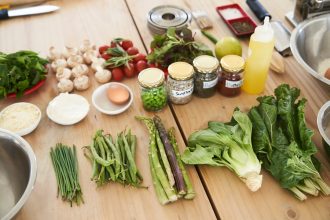
Prepping ingredients ahead of time can save you time and reduce stress during cooking. Data suggests that meal prep can lead to better dietary habits and reduced food waste. Chop vegetables, marinate proteins, and portion out snacks to make cooking easier.
Step 4: Cook Efficiently
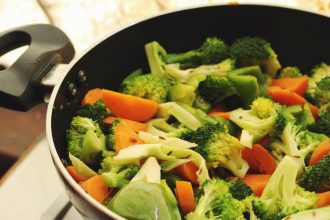
Utilize efficient cooking methods such as batch cooking, one-pot meals, and slow-cooking to maximize your time in the kitchen. Research shows that these techniques can help maintain nutrient integrity while minimizing preparation time.
Step 5: Incorporate Variety
Ensure that your meals are varied to prevent dietary boredom. Studies indicate that variety in diet can improve nutrient intake and enhance overall satisfaction with meals. Experiment with different cuisines, ingredients, and cooking methods.
Benefits of Nutritious Homemade Meals
Research highlights several benefits of consuming homemade meals, including improved nutrient intake, better weight management, and enhanced mental well-being. Data suggests that individuals who regularly eat homemade meals tend to have healthier eating patterns and lower rates of obesity.
Conclusion: Embracing Homemade Meals
By addressing common challenges and following these steps, individuals can successfully incorporate nutritious homemade meals into their lifestyle. Studies indicate that this shift can lead to improved health outcomes and greater dietary satisfaction.