Some of the links in this article are "affiliate links", a link with a special tracking code. This means if you click on an affiliate link and purchase the item, we will receive an affiliate commission.
The price of the item is the same whether it is an affiliate link or not. Regardless, we only recommend products or services we believe will add value to our readers.
By using the affiliate links, you are helping support our Website, and we genuinely appreciate your support.
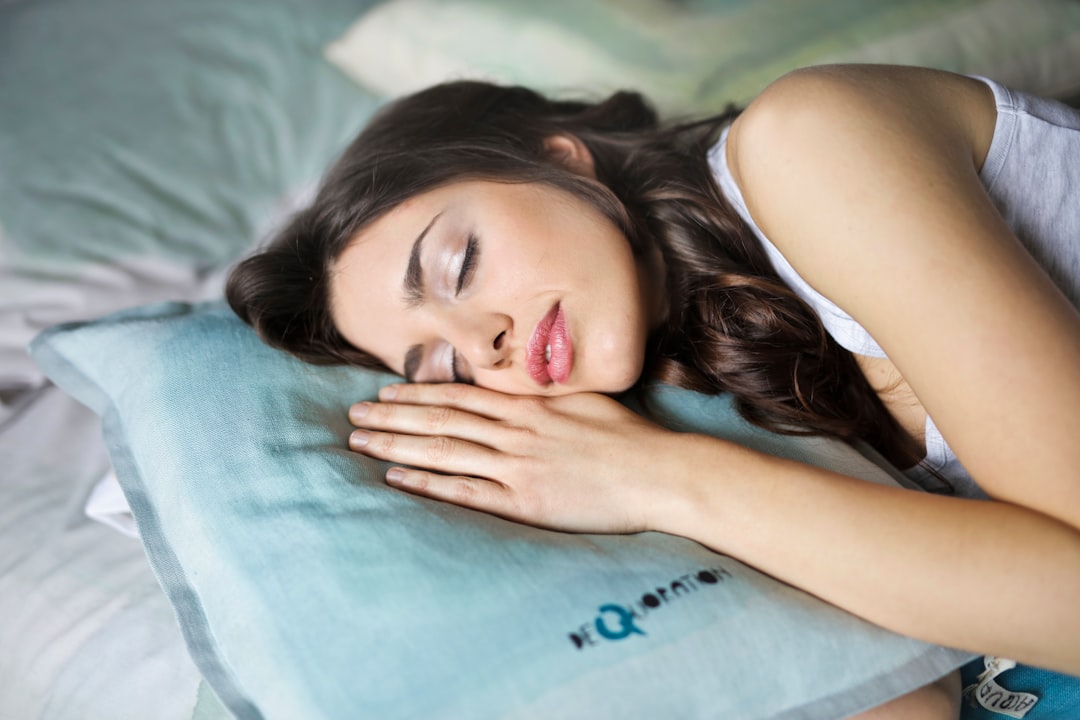
Good sleep is not a luxury; it is a daily reset. But for many women, sleep can feel fragile: a late-night worry spiral, a toddler who wakes at 2 a.m., hormone shifts that run hot and cold, or a workload that keeps the brain on. Sleep hygiene for women is about building simple, repeatable habits that make rest more likely, even when life is busy.
This guide keeps it practical. No fads, no magic supplements. Just the few things that consistently help women sleep better, backed by common-sense routines and small environment tweaks.
What ?sleep hygiene? really means
Sleep hygiene is the set of behaviors and conditions that support good sleep. Think of it as your sleep ecosystem: what you do during the day, how you wind down at night, and how your bedroom is set up. When these pieces align, you fall asleep faster and wake up less.
Why sleep can be harder for women
Women?s sleep is shaped by real biological and social factors. Hormonal changes across the menstrual cycle, pregnancy, and menopause can affect temperature regulation, mood, and sleep depth. Add caregiving, mental load, and stress, and it makes sense that sleep can feel inconsistent. The goal isn?t perfection. It?s to create a sleep-friendly routine that works in real life.
Start with a steady schedule (even on weekends)
A regular wake time is the strongest anchor for your circadian rhythm. If you can only control one thing, control the time you wake up. That consistency teaches your body when to feel alert and when to feel sleepy.
- Pick a wake time you can keep within a 60?90 minute window.
- Go to bed when sleepy instead of forcing an early bedtime.
- If you had a bad night, still wake at your normal time and use an earlier bedtime the next night.
Use light to your advantage
Light is the strongest signal for your sleep clock. Morning light makes you alert; evening darkness helps melatonin rise.
- Get outside light within 1 hour of waking, even for 5?10 minutes.
- Dim overhead lights 1?2 hours before bed.
- Use warmer, softer lamps at night.
- Limit bright phone or laptop screens close to bedtime.
Build a wind-down routine that feels doable
Your brain needs a clear ?off ramp.? A short routine signals that it?s safe to let go.
- Pick 2?3 calming steps: a warm shower, light stretching, journaling, or reading.
- Keep the routine the same each night so it becomes automatic.
- If you live with others, use a small ritual that?s yours: tea, music, or a fragrance you like.
Keep the bedroom cool, dark, and quiet
Many women report lighter sleep when the room feels warm. A slightly cooler room helps the body?s natural drop in core temperature.
- Keep the room cool (around 65?69?F / 18?20?C if possible).
- Use blackout curtains or a sleep mask.
- Try earplugs or white noise if your environment is loud.
Be strategic about caffeine and alcohol
Caffeine can linger longer than you expect. Alcohol may make you feel drowsy but tends to fragment sleep later in the night.
- Cut off caffeine 8?10 hours before bedtime if you?re sensitive.
- Limit alcohol within 3?4 hours of bed, especially if you wake around 3 a.m.
Move your body, but time it well
Regular exercise improves sleep quality, but intense workouts too close to bedtime can be stimulating.
- Aim for consistent daytime movement.
- Keep vigorous workouts earlier in the day when possible.
- Even a 20-minute walk helps regulate stress hormones.
Manage stress without overthinking it
Stress is a huge sleep disruptor for women, especially when the day ends and the mind finally has room to run. The goal is not to ?fix? stress but to create gentle boundaries around it.
- Do a quick brain dump before bed. Write down what?s on your mind.
- Set a ?worry time? earlier in the day and keep it short.
- Try a simple breathing pattern: inhale 4, hold 4, exhale 6.
Rethink naps
Naps can help, but long or late naps can make it harder to fall asleep at night.
- Keep naps under 20?30 minutes.
- Nap before 3 p.m. if you can.
- If you have insomnia, skip naps for a week and see if sleep improves.
Adjust for hormone shifts
Many women notice lighter sleep or temperature swings during certain cycle phases, postpartum, or menopause. Small adjustments can help.
- Use breathable bedding to manage night sweats.
- Layer blankets so you can adjust quickly.
- Consider a cooling pillow or mattress topper.
What to do when you can?t sleep
Staring at the clock creates pressure. If you?ve been awake for 20?30 minutes, reset your brain.
- Get out of bed and sit somewhere dim.
- Read a few pages or listen to calm audio.
- Return to bed only when you feel sleepy again.
When to get extra help
If you?ve struggled with sleep for weeks and it?s affecting your daily life, it may be time to talk to a healthcare professional. Cognitive behavioral therapy for insomnia (CBT?I) is considered a gold-standard treatment and doesn?t require medication.
Simple 7-day sleep hygiene reset
- Day 1: Set a fixed wake time and stick to it.
- Day 2: Get morning light within 1 hour of waking.
- Day 3: Create a 10?15 minute wind-down routine.
- Day 4: Cool your bedroom and reduce light at night.
- Day 5: Move your body during the day.
- Day 6: Cut caffeine earlier and skip late alcohol.
- Day 7: Practice the ?get out of bed? reset when needed.
Bottom line
Sleep hygiene for women isn?t about strict rules. It?s about small, consistent habits that support your body?s natural rhythm. Start with one or two changes and build from there. Better sleep is rarely instant, but it becomes easier when your routine makes rest the default.